Pharmaceutical Water
Pharmaceutical water is a vital component in drug manufacturing, used in processes ranging from formulation to cleaning and sterilization. Its quality directly impacts product safety and efficacy, making rigorous analysis essential. Different grades of pharmaceutical water, such as Purified Water, Water for Injection (WFI), and Sterile Water, must meet strict regulatory standards to ensure purity, microbial control, and compliance with pharmacopeial requirements.
Analysis of pharmaceutical water involves testing for chemical contaminants, microbial content, endotoxins, conductivity, and pH levels using advanced techniques. These tests are critical to maintaining the integrity of manufacturing processes and ensuring the final product meets the highest quality standards. Discover how precise water analysis, supported by solutions such as the eTOC series and TOC-L Series, supports reliable pharmaceutical production and patient safety.
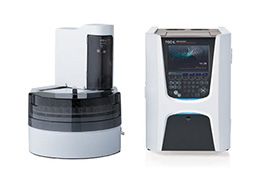
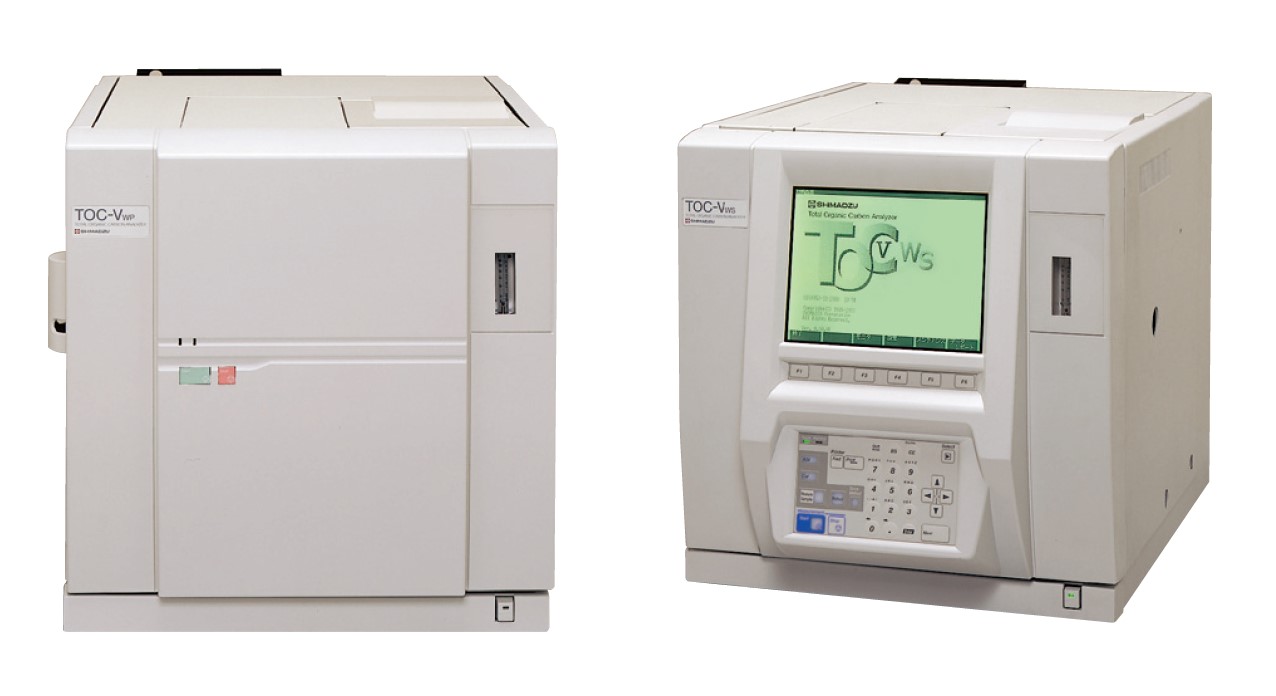
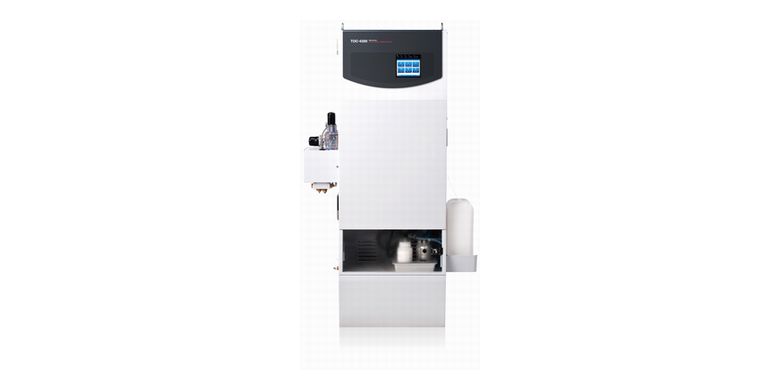
When used in the pharmaceutical and semiconductor industries, it is important to continuously control the quality of pure water to keep the impurities at low level. For optimum quality control of ultra-pure water, and for pharmaceutical water where the US Pharmacopoeia (USP) specifies total organic carbon (TOC) management of organic impurities according to USP 643, TOC analyzers used for analysis of bulk purified water and water for injection must satisfy the TOC system suitability test using test water with a carbon content of 0.500 mg/L.
Solution Highlights

Data Integrity and Compliance
Data Integrity in the pharmaceutical industry is an essential concept for ensuring the quality, safety, and efficacy of products, and it is of utmost importance for patient safety. If data tampering or unauthorized changes occur, product quality can be compromised, potentially posing serious health risks to patients. Moreover, data integrity is a crucial factor in audits and reviews by regulatory authorities such as the FDA, serving as a key indicator of regulatory compliance. Solutions such as LabSolutions CS and Total Solution for PIC/S and FDA Compliance support pharmaceutical laboratories in establishing secure, compliant, and traceable data management practices.
Pharmacopoeia provides an overview of testing methods, such as chromatography, as a general chapter that must be satisfied when conducting tests according to pharmacopoeia regulations. The Pharmacopoeial Discussion Group (PDG) decided in November 2021 to standardize general chapter chromatography in the United States Pharmacopoeia (USP), the European Pharmacopoeia (EP), and the Japanese Pharmacopoeia (JP).
Solution Highlights
FAQ's
What are the main challenges of biopharmaceuticals compared with small-molecule pharmaceuticals?
Biopharmaceuticals are generally more complex to develop, manufacture, and store than small-molecule drugs. They often require living systems for production, which can make them more expensive and harder to scale consistently. They may also be less stable, more sensitive to temperature changes, and require stricter handling and distribution conditions. In contrast, small-molecule pharmaceuticals are usually simpler to synthesize, characterize, and store.
What are the main differences between SFC and UHPLC for pharmaceutical applications?
Supercritical fluid chromatography (SFC) often offers faster separations, lower solvent use, and good performance for nonpolar to moderately polar compounds, making it useful for chiral separations and purification. UHPLC is generally more versatile for a wider range of polar and nonpolar analytes and is often preferred for routine quantitative analysis due to its strong robustness and compatibility with many detection methods. The choice depends on the compound properties, separation goal, and method requirements.
What are the main cell culture media components, and why and how are they optimized?
Cell culture media typically contain amino acids, vitamins, salts, glucose or other energy sources, trace elements, buffering agents, and growth supplements such as serum or defined proteins. These components are optimized to support cell growth, productivity, viability, and product quality while minimizing unwanted byproducts. Optimization is usually done by systematically varying component concentrations, testing different media formulations, and using design-of-experiments approaches to identify the best balance for a specific cell line and process.
What are analytical methods for cell culture media analysis?
Analysis of compounds in cell culture media is usually done by sample preparation + chromatographic or spectroscopic analysis, depending on what you want to measure.
Common analytical methods
| Small molecules, nutrients, metabolites, drugs |
Good for targeted analysis if the compound absorbs UV |
| Low-level metabolites, drugs, amino acids, biomarkers |
Very sensitive and selective; often preferred for complex media |
| Volatile compounds, some metabolites |
Usually needs derivatization |
| Glucose, lactate, ammonia, etc. |
Fast and routine |
There are application packages for analysis of cell culture media compounds Beside the listed ones, there are other methods e.g. Immunoassay or benchtop NMR systems which are used for biological targets or for additional information about the molecule structure.
Protein structure analysis, what are the differences between Edman degradation and de novo sequencing for protein structure analysis?
Edman degradation, is a classical method that sequentially removes and identifies one amino acid at a time from the N-terminus of a peptide or protein. It is highly specific but works best for short, pure peptides and requires a free N-terminus. It becomes less effective for longer proteins, blocked N-termini, or mixtures. (please find details about the
PPSQ systems)
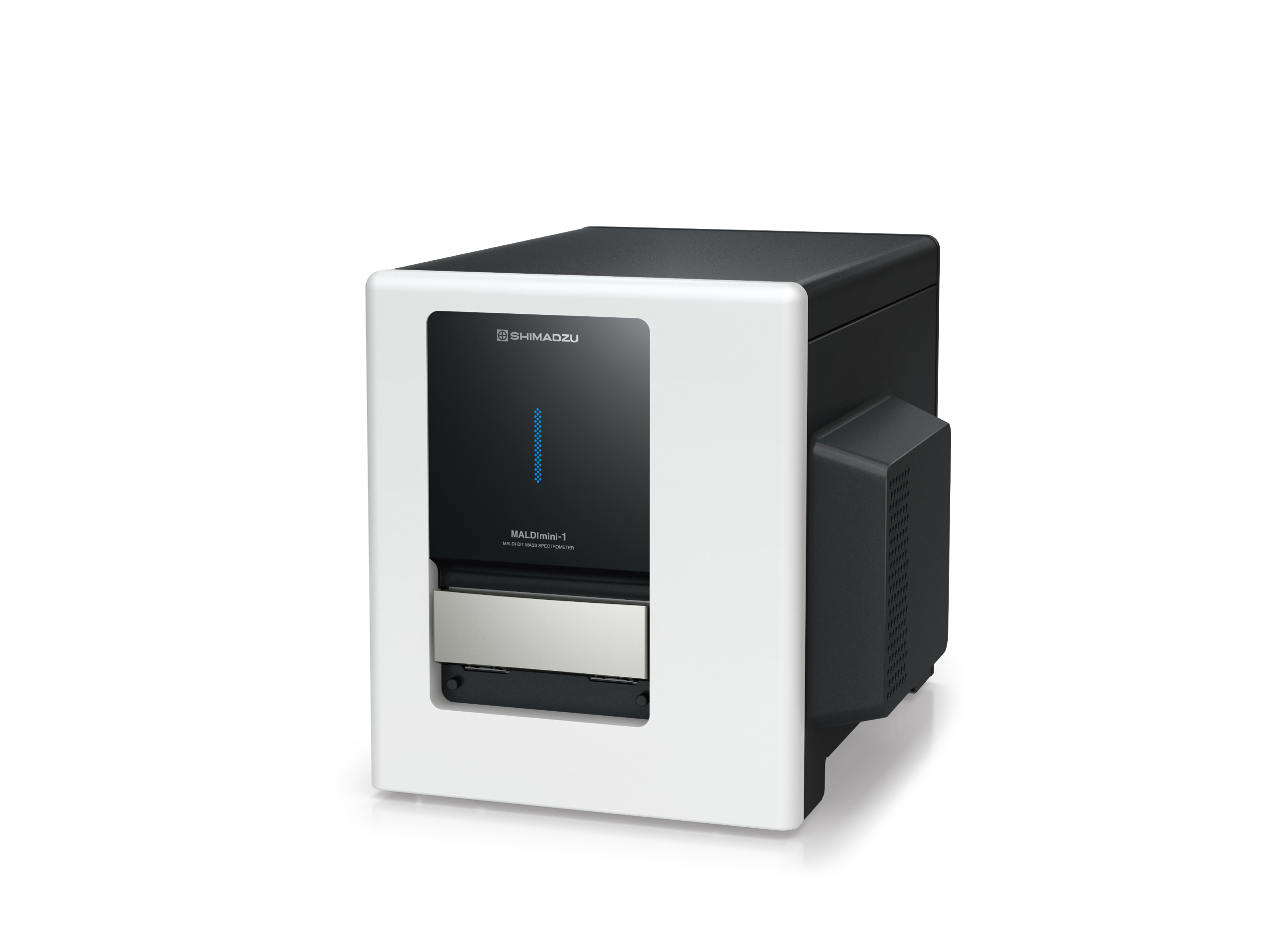
De novo sequencing usually refers to mass spectrometry-based methods that infer the amino acid sequence without needing a reference database. It can analyze peptides from complex samples and is more flexible than Edman degradation, but the sequence interpretation can be more challenging and may be less certain in ambiguous regions. (Please find information about suited MALDI instruments)
What are the benefits of method development software for fulfilling Quality by Design (QbD) requirements?
Method development software helps support QbD by enabling systematic, data-driven optimization of analytical methods. It can reduce trial-and-error work, identify critical method parameters, and map the design space more efficiently. This improves method robustness, reproducibility, and understanding of how changes affect performance. It also helps generate documentation and traceable data, which supports regulatory compliance and faster method transfer. Please click for more information for
LabSolutions MD software.
What are the advantages and key features of multidimensional liquid chromatography?
Multidimensional liquid chromatography combines two or more separation mechanisms in one workflow, which greatly improves resolution for complex samples. Its main advantages are higher peak capacity, better separation of co-eluting compounds, and improved analysis of difficult mixtures such as biopharmaceuticals, impurities, and metabolites. Key features include orthogonal separation modes, fraction transfer between dimensions, and the ability to couple with advanced detectors like MS. The main drawback is greater method and instrument complexity compared with single-dimensional LC.
Is the longer runtime of multidimensional liquid chromatography worth it for comprehensive LC?
Often, yes. The longer runtime can be justified when the sample is highly complex and requires much higher separation power than one-dimensional LC can provide. Multidimensional LC can reveal co-eluting compounds, improve impurity profiling, and give a more complete analytical picture. However, if the sample is simple or the routine goal is fast quantitation, the added time, method complexity, and instrument burden may not be worth it. Pleased click for more information about the Nexera-e system.
What are the differences and advantages of oligonucleotide analysis by reversed-phase chromatography versus supercritical fluid chromatography?
Reversed-phase chromatography (RPC) ) is the more established approach for oligonucleotide analysis. It offers strong robustness, good compatibility with ion-pairing reagents, and reliable separation of closely related impurities, truncated sequences, and product variants. Its main drawbacks are relatively high solvent use and sometimes longer run times. Click for more information about our
Nexera UHPLC series.
Supercritical fluid chromatography (SFC) can provide faster separations, lower organic solvent consumption, and good efficiency for certain oligonucleotide-related impurities, especially when method conditions are well optimized. However, oligonucleotides are highly polar and charged, so SFC can be more challenging to develop and may have narrower method applicability than RPC. Click for more information about the
Nexera UC system.
What advantages does a bioinert or biocompatible LC system have compared to a standard LC system when analyzing biomolecules?
A bio-inert or bio-compatible LC system reduces unwanted interactions between biomolecules and metal surfaces in the flow path. This can improve recovery, peak shape, sensitivity, and reproducibility, especially for proteins, peptides, oligonucleotides, and other metal-sensitive analytes. It also helps minimize adsorption, sample loss, and carryover, which is important for low-level or highly reactive biomolecule analysis. In contrast, standard LC systems may cause more analyte binding, peak tailing, and variability. Please find information about the
Nexera lite inert and
Nexera XS inert.
What methods are available for elemental impurity analysis?
Common elemental analysis methods include ICP-MS, ICP-OES, AAS, EDX, and combustion-based elemental analysis
What are the arguments for a compact all-in-one LC system versus an individually configured LC system?
A compact all-in-one LC system (
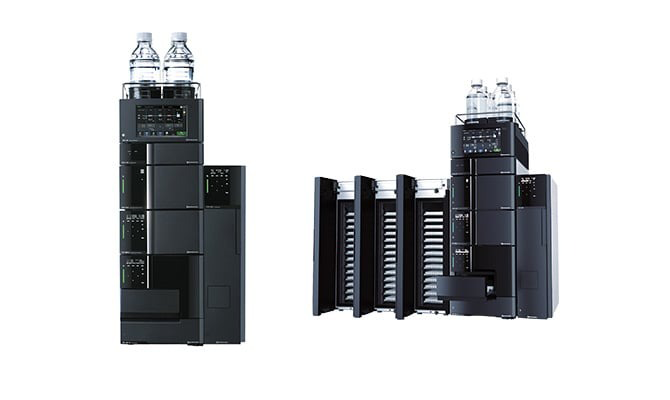
i-Series) offers a smaller footprint, simpler setup, faster installation, and easier operation. It is often more convenient for routine work, training, and labs with limited space. An individually configured system (Nexera UHPLC systems) offers greater flexibility, easier customization, and simpler upgrading or replacement of individual modules. It is usually better when specific applications require specialized components or future expansion.
What detectors are there for (U)HPLC systems in pharmaceutical applications, and what are the main features and limitations?
the following table shows an overview about detectors provided by Shimadzu.
| Very common for assay and impurity testing |
Robust, inexpensive, easy to validate, widely accepted in QC |
Requires UV-active compounds; limited for non-chromophoric APIs/excipients |
Routine assay, related substances, stability-indicating methods |
| Useful for trace-level impurities and selected APIs |
Very high sensitivity and selectivity |
Limited to fluorescent compounds or derivatized analytes |
Trace impurities, bioanalysis, highly sensitive targeted methods |
| Mainly for simple formulations and excipients |
Broad applicability for non-UV compounds |
Low sensitivity; poor for gradient methods; less suitable for routine pharma QC |
Sugars, polymers, excipients, simple non-UV analytes |
| Useful for sugars, lipids, lipophilic excipients, and some APIs |
Detects non-volatile analytes; more universal than UV |
Response can be non-linear; method conditions must be tightly controlled |
Non-volatile excipients, lipids, carbohydrates, some API impurities |
| Excellent for identification, impurity profiling, and bioanalysis |
High sensitivity and structural information |
Higher cost; more complex validation; ionization differences can affect quantitation |
Structure confirmation, unknown impurity ID, bioanalysis, metabolite studies |
Which UV detector is the best choice for which application?
UV detector measures absorbance at one fixed wavelength (or a small number of wavelengths, depending on the instrument); PDA detector measures the full UV-Vis spectrum across many wavelengths at once.
- Use UV when you need a simple, cost-effective, routine assay
- Use PDA when you need identity support, peak purity, impurity detection, or stability-indicating methods
Which cell culture compounds are analysed with by HPLC?
Table: compounds vs best analytical method
| HPLC-RID/ELSD |
Enzymatic methods are most common for routine monitoring |
| HPLC-RID/ELSID |
Fast and routine |
| IC |
Useful for cell culture monitoring |
| HPLC-RF, LCMS/MS |
Often need derivatization for HPLC-FLD |
| HPLC-UV/PDA or LCMS/MS |
LC-MS/MS if sensitivity/selectivity is critical |
| HPLC-UV/PDA or LCMS/MS |
Depends on the vitamin and concentration |
| HPLC-UV/PDA or LCMS/MS |
HILIC or ion-pair methods may help |
| HPLC-UV, IC, LCMS/MS |
LCMS/MS for low levels |
| LCMS/MS or HPLC-UV/PDA |
LCMS/MS preferred for specificity |
| ELISA / Immunoassay* |
HPLC is usually not the first choice |
| LCMS/MS |
Best for complex lipid profiling |
| GCMS |
Requires volatility or derivatization |
| HR-MS / NMR |
LC-MS is more sensitive; NMR is more robust for profiling |
*not provided by Shimadzu
HPLC in pharmaceutical development, which parameters should be optimized and what criteria need to be met?
Parameters typically optimized:
- Column: Chemistry (e.g., C18, C8, phenyl; Dimensions (length, ID, particle size)
- Mobile phase (Composition/ratio; Organic solvent type; Buffer type, pH and concentration)
- Mode (Isocratic vs gradient; Gradient slope and hold times)
- Flow rate
- Column temperature
- Detection (Wavelength; Detector settings)
- Injection (Volume; Sample solvent strength)
- Sample preparation (Diluent, filtration, extraction conditions)
Criteria typically fulfilled
- Adequate resolution between analytes, impurities, and degradants
- Suitable peak shape (Minimal tailing/fronting)
- Acceptable retention (Not too early, not excessively long)
- System suitability (Resolution, tailing factor, theoretical plates, %RSD)
- Specificity / selectivity (Method must separate analyte from impurities, excipients, and degradants)
- Precision (Repeatability and intermediate precision)
- Accuracy
- Linearity and range
- Sensitivity (LOD/LOQ where relevant)
- Robustness (Small deliberate changes should not affect performance)
- Stability-indicating capability (Especially for assay and impurity methods)
- Regulatory compliance (Method should be suitable for validation per ICH expectations)
Practical targets
Depending on the method and company standards, some typical value are given here:
- Resolution: ≥ 2.0 for critical pairs
- Tailing factor: often ≤ 2.0
- Peak Area %RSD: usually low, e.g. ≤ 2.0% for repeatability
- Recovery: commonly around 98–102% depending on method purpose
Genotoxic Impurities in Active Pharmaceutical Ingredients (APIs), which compounds are relevant?
Genotoxic impurities (GTIs) are trace-level chemicals that can damage DNA and may increase cancer risk. In APIs, they are usually not the API itself, but residual process-related compounds or degradation products.
Concrete we are talking about:
- Alkylating agents - e.g. alkyl halides, sulfonates, epoxides, aziridines
- Aromatic amines / nitroso compounds - especially nitrosamines and nitrosamine precursors
- Reactive intermediates - e.g. acylating agents, isocyanates, aldehydes in some contexts
- Residual starting materials or reagents - if they have known mutagenic alerts
- Process by-products - formed during synthesis, workup, or purification
- Degradation products - if they are structurally alerting and genotoxic
Genotoxic impurities in active pharmaceutical ingredients (APIs), which compounds are relevant? Which references and guidelines are valid?
Because GTIs are often at very low levels (ppm to ppb), methods must be highly sensitive. The following techniques are widely used:
GCMS / GCMS/MS
- good for volatile/semi-volatile impurities
- widely used for nitrosamines and small alkylating agents
LCMS / LCMS/MS
- good for non-volatile, polar, or thermally unstable impurities
HPLC with UV or RF detector
- good for non-volatile, polar, or thermally unstable impurities
Derivatization methods
- used when the impurity is too reactive or hard to detect directly
References / Guidelines
- ICH M7 for mutagenic impurities
- ICH Q3A/Q3B for organic impurities
- FDA / EMA / MHRA guidance for nitrosamines and other GTIs
Having a closer look on Nitrosamines, what are the analytical challenges?
Nitrosamines in pharmaceutical APIs are a significant safety concern because many are potent genotoxic impurities with carcinogenic potential, requiring control at very low levels. Their analysis is challenging due to the need for highly sensitive and selective methods, complex API matrices, possible contamination during sampling or analysis, and the presence of multiple nitrosamine species with different physicochemical properties. In addition to detection, interpretation is difficult because results near the reporting limit must be judged against toxicological thresholds, while also distinguishing true contamination from analytical artifacts and identifying whether the source is process-related, raw-material-related, or storage-related. Effective control therefore relies on risk assessment, validated trace-level analytical methods, and strong process understanding.
Which method for the determination of Nitrosamines are used and what are the differences ?
Table: nitrosamine detection methods and pitfalls
| High sensitivity and selectivity; widely used for trace nitrosamines |
Matrix effects, ion suppression, method transfer issues, contamination risk |
| Very good for volatile nitrosamines; strong separation |
Sample prep may be more demanding; thermal instability for some compounds |
| Simple and robust |
Usually not sensitive enough for regulatory trace levels |
| Useful for screening and unknowns |
Quantitation at very low levels can be less robust than LC-MS/MS |
| Good for volatile nitrosamines and cleaner extracts |
Limited to more volatile analytes; sensitivity depends on setup |
| Can improve detectability for some analytes |
Adds complexity, possible artifacts, lower reproducibility |
Testing of microbiological impurities in pharmaceutical industry, which methods are used and what are the regulatory references?
Testing of microbiological impurities includes several methods, please find in the following table an overview:
| Raw materials, intermediates, bulk drug substance, water |
USP <61>, USP <62>, USP <1227>; Ph. Eur. 2.6.12 / 2.6.13; ICH Q7 |
| Sterile products, injectables, ophthalmics |
USP <71>; Ph. Eur. 2.6.1; JP sterility test; FDA aseptic processing guidance |
| Parenterals, WFI, process intermediates |
USP <85>; Ph. Eur. 2.6.14; JP endotoxin test |
| Cleanrooms, aseptic areas, utilities |
EU GMP Annex 1; FDA aseptic processing guidance; USP <1116> |
| Isolate ID, contamination investigations, trending |
USP <1113>; USP <1117>; Ph. Eur. general microbiology guidance; ICH Q9 |
| Faster release testing, in-process control |
USP <1223>; USP <1223.1> (where applicable); Ph. Eur. 5.1.6; FDA PAT / alternative method expectations |
| Equipment and facility hygiene verification |
ICH Q7; EU GMP Annex 15; FDA cleaning validation guidance |
| Purified water, WFI, clean steam |
USP <1231>; USP <61> / <85>; Ph. Eur. 2.6.12 / 2.6.14 |
Exact requirements depend on product type, market, and sterile vs non-sterile status.
Some references are general guidance rather than strict test methods.
Companies often add internal SOPs and risk-based acceptance criteria on top of compendial tests.
What types of formulations are there for pharmaceutical and biopharmaceutical products, and what requirements need to be met in their production and packaging?
Main formulation types and resulting requirements
| Blend uniformity, compression/filling control, moisture control, content uniformity |
Blister or bottle, moisture protection, child resistance if needed |
| Dissolution, pH control, microbial control, homogeneity, viscosity control |
Tight closure, light protection if needed, dosing device, tamper evidence |
| Aseptic processing or terminal sterilization, endotoxin/bioburden control, particulate control |
Sterile vials/ampoules/syringes, container-closure integrity, low extractables/leachables |
| Emulsion stability, viscosity, preservative effectiveness, microbiological quality |
Tubes/jars/pumps, barrier to water/oxygen/light as needed |
| Particle size control, dose uniformity, aerodynamic performance |
Moisture protection, unit-dose or device-based packaging, robust device compatibility |
| Sterility, particulate control, isotonicity, pH control |
Sterile dropper systems, container-closure integrity, low leachables |
| Polymer/coating control, release profile control, content uniformity |
Packaging that protects from moisture and damage, often blister or bottle with desiccant |
| Cold chain, protein stability, aggregation control, low shear handling |
Refrigerated/frozen packaging, light protection, validated transport systems |
What are typical requirements resulting from the formulation:
Formulation properties usually determine:
| Maintain chemical, physical, and biological stability; prevent degradation, aggregation, precipitation, or phase separation |
| Keep the product fully dissolved; avoid crystallization or turbidity |
| Maintain the product in its optimal pH range; minimize hydrolysis and denaturation |
| Ensure compatibility with the intended route of administration; avoid irritation or cell damage |
| Allow easy mixing, pumping, filtration, and injection; avoid overly thick formulations |
| Prevent contamination and preserve safety |
| Avoid adsorption, leaching, or chemical interaction with packaging |
| Support storage over the required time and temperature conditions |
| Achieve the desired onset and duration of action, if applicable |
| Remain suitable for manufacturing, filling, and downstream handling |
The formulation of a pharmaceutical products requires certain packing strategies, what are the challenges for this?
Pharmaceutical packaging analysis must ensure that the package is safe, compatible, protective, and functional throughout shelf life.
Material compatibility
- Drug–container interactions
- Adsorption/absorption of API or excipients
- Leachables from plastics, elastomers, inks, adhesives
Barrier performance
- Moisture, oxygen, CO₂, and light protection
Container-closure integrity (CCI)
- Preventing microbial ingress and loss of sterility
Extractables and leachables (E&L)
- Identifying and assessing potential contaminants
Mechanical robustness
- Transport damage, breakage, seal failure, deformation
Sterility assurance
- Especially for injectables, Ophthalmics, and devices
Functionality of the pack
- Dose delivery, opening/closing performance, child resistance, tamper evidence
Stability over shelf life
- Packaging performance under real-time and accelerated conditions
Regulatory compliance
- Meeting pharmacopeial and ICH expectations
In pharmaceutical production, there are different concepts: batch production and flow synthesis. What are the pros and cons of these concepts?
Batch synthesis is often preferred for early development, multipurpose plants, and complex multistep syntheses;
Flow synthesis is often preferred for hazardous chemistry, fast reactions, precise control, and continuous manufacturing.
A more detailed comparison is given in the next table
| Discrete lots |
Continuous or semi-continuous |
| Increase vessel size |
Increase run time or number of channels |
| Often less efficient |
Usually excellent |
| More inventory at risk |
Lower hold-up, often safer |
| Very high |
Moderate |
| Possible, but often less integrated |
Often highly automated |
| Usually lower |
Usually higher |
| Broad, especially established processes |
Strong for hazardous, fast, or highly controlled reactions |
What is cleaning validation?
Cleaning validation, which is essential for quality assurance in pharmaceutical manufacturing, refers to the quantification of residues after cleaning of manufacturing facilities and equipment to verify that the amount is below a predetermined acceptable limit.
Regular equipment cleaning and post-cleaning validation are required to prevent cross-contamination and contamination of products.
Even in the case of exclusive facilities for the same product on the same line, regular cleaning is necessary due to risks of contamination.
Generally, total organic carbon (TOC) analysis and high performance liquid chromatography (HPLC) are the verification methods. As shown in the table below, each technique has its own characteristics, and it is necessary to select the one suitable for the circumstances and the target for verification. This page introduces the application of TOC analysis, which enables simple, rapid measurements and can detect all organic substances.
Rapid measurement
Simple operation
Detects all residual organic matters |
Separation analysis can be performed
High quantitative accuracy
High expandability
Online concentration of the sample can be performed |
What are the main points to care for a cGMP/GMP compliant production?
Main points for cGMP/GMP-compliant production are:
Defined quality system - documented procedures, responsibilities, and oversight
Validated processes - manufacturing steps must be shown to work consistently
Qualified equipment and facilities - installation, operation, and performance qualification
Controlled raw materials - approved suppliers, testing, traceability, and release
Trained personnel - staff must be competent and regularly trained
Written procedures - SOPs for all critical operations
Environmental control - cleanrooms, hygiene, contamination control, and monitoring
In-process controls - monitoring critical parameters and product quality during production
Documentation and traceability - complete batch records, deviations, and change control
Deviation and CAPA management - investigate problems and implement corrective/preventive actions
Quality control testing - identity, purity, potency, safety, and microbiological testing
Cleaning and sanitation - validated cleaning to prevent cross-contamination
Product release system - formal QA review before batch release
Stability program - confirm product remains within specification over time
Continuous improvement - periodic review and ongoing process monitoring
Residual solvents in medications, how are they analyzed? What standards need to be met?
Residual solvents are usually analysed by headspace gas chromatography, either with FID or with MS Detection. Last one for cases, which require more specific information about type and lower limits of detection. well suited for volatile compounds in APIs and excipients.
Residual solvents are differentiated according to ICH Q3C in several classes:
Class 1: solvents to be avoided
Class 2: solvents to be limited
Class 3: low toxic potential, higher permitted limits
Class 4: insufficient toxicological data; case-by-case evaluation
The measured levels must be below the permitted daily exposure (PDE) or concentration limits derived from ICH Q3C; beside this one also the ‘USP <467>: Residual Solvents’ and ‘European Pharmacopeia 2.4.24: Identification and control of residual solvents’ describe test methods and criteria.
Dissolution baths are often connected to analysis devices, what analysis methods are used, differences and advantages?
In pharmaceutical development, dissolution baths are connected e.g. to:
UV-Vis spectrophotometers
HPLC / UPLC systems
Online sampling systems with autosamplers
LC-MS systems in special development or research cases
Please find an overview of the different methods:
| Simple, soluble APIs with clear absorbance |
Fast, low cost, easy automation |
Low specificity, interference from excipients or media |
| Complex formulations, low-dose products, stability-indicating needs |
High specificity, separates API from impurities/degradants |
Slower, more expensive, requires sample prep |
| Routine QC and development |
Flexible, reproducible, good throughput |
Not truly real-time, more handling |
| Trace-level work, method development, mechanistic studies |
Very high sensitivity and specificity |
Expensive, complex, usually not routine dissolution |
Which methods are used to purify a) small molecule pharmaceuticals and b) biopharmaceuticals?
a) For small molecules, beside known methods such as crystallization / recrystallization, filtration or distillation e.g. which are in practice for small scales of samples, for bigger scale the favor is on chromatographic methods. Besides preparative LC during the years also preparative SFC has been established, driven as alternative for chiral separation, it has now got its place also for non-chiral separations.
b) For biopharmaceuticals, chromatographic methods are favorized, depend on task and molecule Size exclusion, Ion exchange, Hydrophobic interaction, or Affinity chromatography is used.







.jpg)