Real-World Insights - Trust - Expectations
The Summit will bring together customers, clinical experts, global key opinion leaders and Shimadzu representatives from around the world. It is designed as an international platform for sharing real-world clinical insights, strengthening collaboration and discussing the future direction of clinical mass spectrometry. The Shimadzu Global Clinical Summit 2026 will take place at the nhow Roma Vittorio Veneto in Rome, Italy.
At the centre of the Summit will be the experiences of customers who use Shimadzu LC/MS systems in their daily clinical practice. Their perspectives will provide valuable insights into the practical application of Shimadzu solutions in clinical laboratories and the evolving role of mass spectrometry in clinical practice.
Approximately 150 participants are expected to attend, with a strong focus on customer participation. Mr Yamamoto, CEO of Shimadzu Corporation, will attend, making this summit an especially meaningful occasion.
Through scientific presentations, discussions and practical insights, the Summit will highlight:
The reliability and proven performance of Shimadzu clinical solutions
The future potential and scalability of clinical mass spectrometry
The value of trusted collaboration between laboratories, experts and Shimadzu
Shimadzu’s continued role as a trusted partner in clinical mass spectrometry
Clinical Focus Areas
The scientific programme will cover four key areas of clinical mass spectrometry:
Therapeutic Drug Monitoring
Endocrinology
Newborn Screening
Toxicology
Participants can look forward to presentations by global key opinion leaders and customers, expert panel discussions, scientific poster sessions and opportunities for international networking and knowledge exchange.
Program Speakers
Meet the experts and clinical leaders contributing to the Shimadzu Global Clinical Summit 2026.
Monday, 7 December 2026
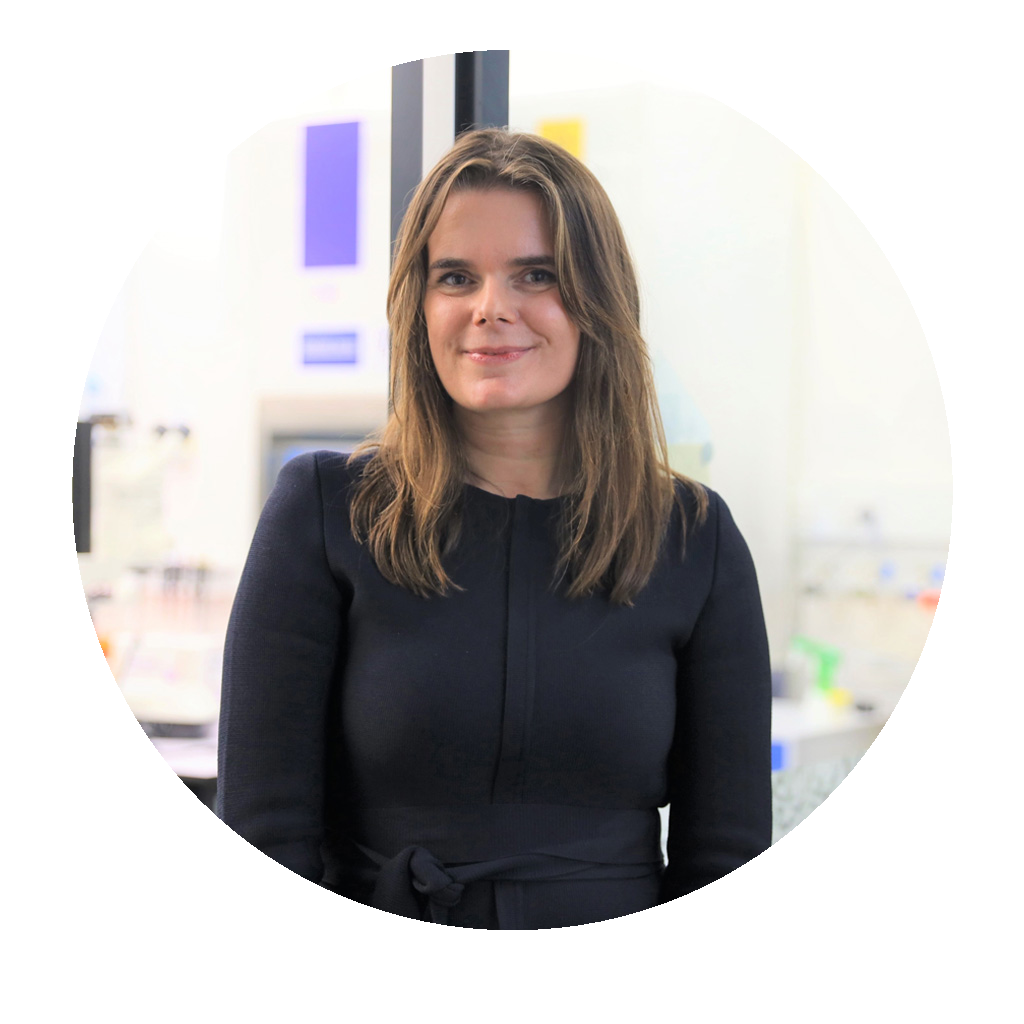
7 December 2026 Therapeutic Drug Monitoring
Dr. Christina Trambas
Medical Director
St Vincent’s Hospital Melbourne
Australia
Presentation title The Best of Both Worlds: Routine Integration of Mass Spectrometry into the Clinical Diagnostic Laboratory While Preserving Laboratory Autonomy
View full speaker details
Biography
Christina Trambas is a Chemical Pathologist, clinician-scientist, and the Medical Director of St Vincent’s Pathology, Melbourne. Christina studied Medicine at the University of Melbourne and is a Fellow of the Royal College of Pathologists of Australasia and the Australasian Association for Clinical Biochemistry and Laboratory Medicine. Prior to entering Medicine, Christina completed a Bachelor of Science with Honours and a PhD in Immunology at The University of Tasmania and undertook a Post-Doctoral Fellowship at The Dunn School of Pathology at Oxford University. Christina’s current research centres on innovations in Pathology that strengthen diagnosis, prognostication and clinical decision making to improve patient care.
Abstract
Mass spectrometry offers exceptional sensitivity, but routine clinical adoption is often hindered by complexity and resource requirements. While automated "black box" solutions improve turnaround times, they can restrict method flexibility and laboratory autonomy. This presentation introduces an alternative integration model that combines fully automated sample processing and state-of-the-art track automation. By supporting both available IVD kits and customizable laboratory-developed tests (LDTs), this approach streamlines workflows for therapeutic drug monitoring and novel in-house methods, all while preserving essential laboratory independence and enabling innovative, patient-centered care.
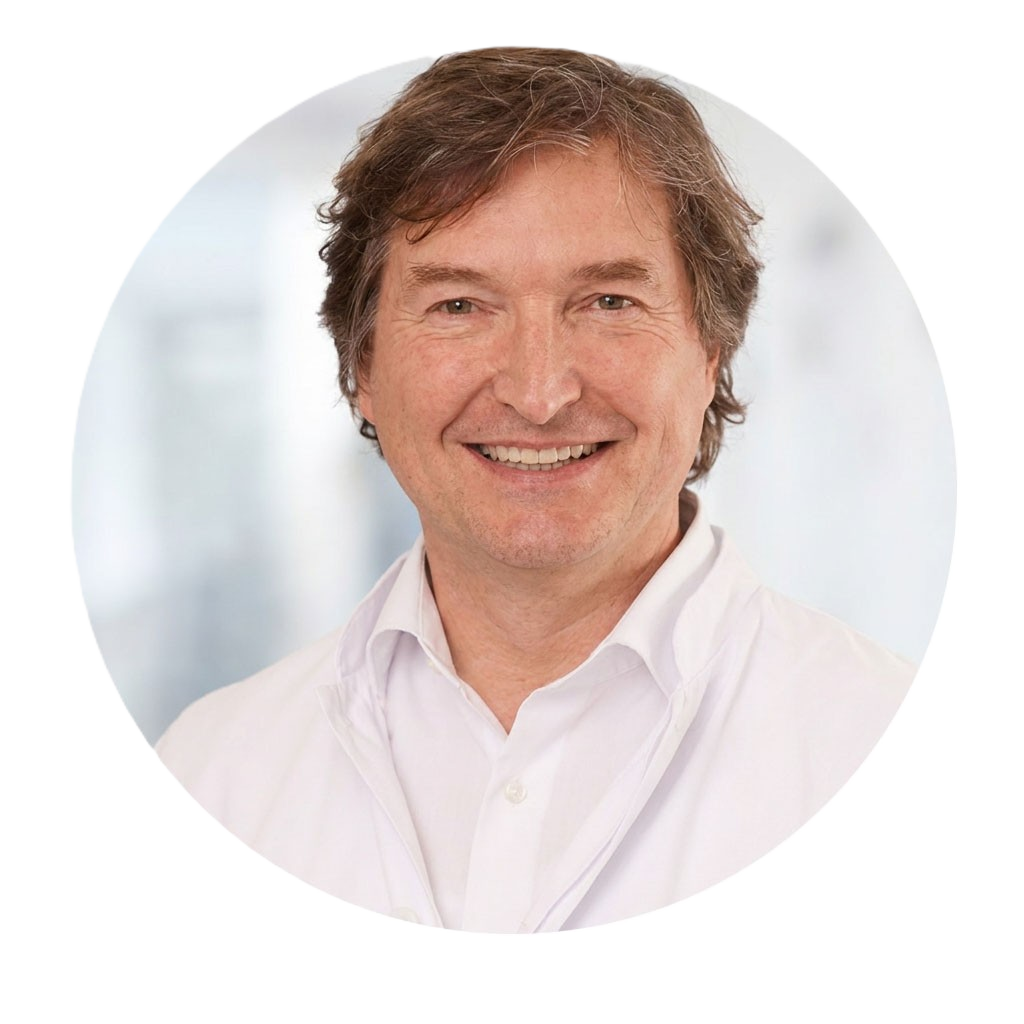
7 December 2026 Therapeutic Drug Monitoring
Dr. Frank Streit
Senior Scientist
Institute of Clinical Chemistry / UMG-Laboratories
University Medical Center Göttingen
Germany
Presentation title CLAM-LCMSMS from prototype to a routinely used platform for tdm in clinical laboratory
View full speaker details
Biography
Dr. Frank Streit established LC-MS/MS methods for the quantification of immunosuppressants in the mass spectrometry laboratory at the University of Göttingen and started lc-ms/ms routine quantification of Sirolimus and Everolimus in 1999 and of Tacrolimus and Ciclosporin in 2004. To date, he has led the development of LC-MS/MS methods for the quantification of more than 300 compounds for TDM. In 2017, Shimadzu's CLAM/LCMS, the world's first fully-automated LCMS system, was used to introduce routine testing methods for antibiotic drugs in his laboratory. From 2020, as one of Shimadzu's European Innovation Centers, it will play a leading role in the development of fully automated routine methods for screening and TDM as diagnostic and therapeutic monitoring methods in the context of personalized medicine. This workshop will present fully automated LCMS solutions for routine testing.
Abstract
This presentation traces nearly ten years of CLAM-LC-MS/MS development into a routine therapeutic drug monitoring platform. It highlights robust, harmonized methods with calibration stability of up to ten weeks, reduced manual intervention, and bidirectional HL7 connectivity with laboratory information systems. Applications cover commonly used therapeutic drugs, poisons and drugs of abuse. The session also discusses immunosuppressant testing, comparison with offline LC-MS/MS and IVDR-certified methods, and the platform’s results and limitations.
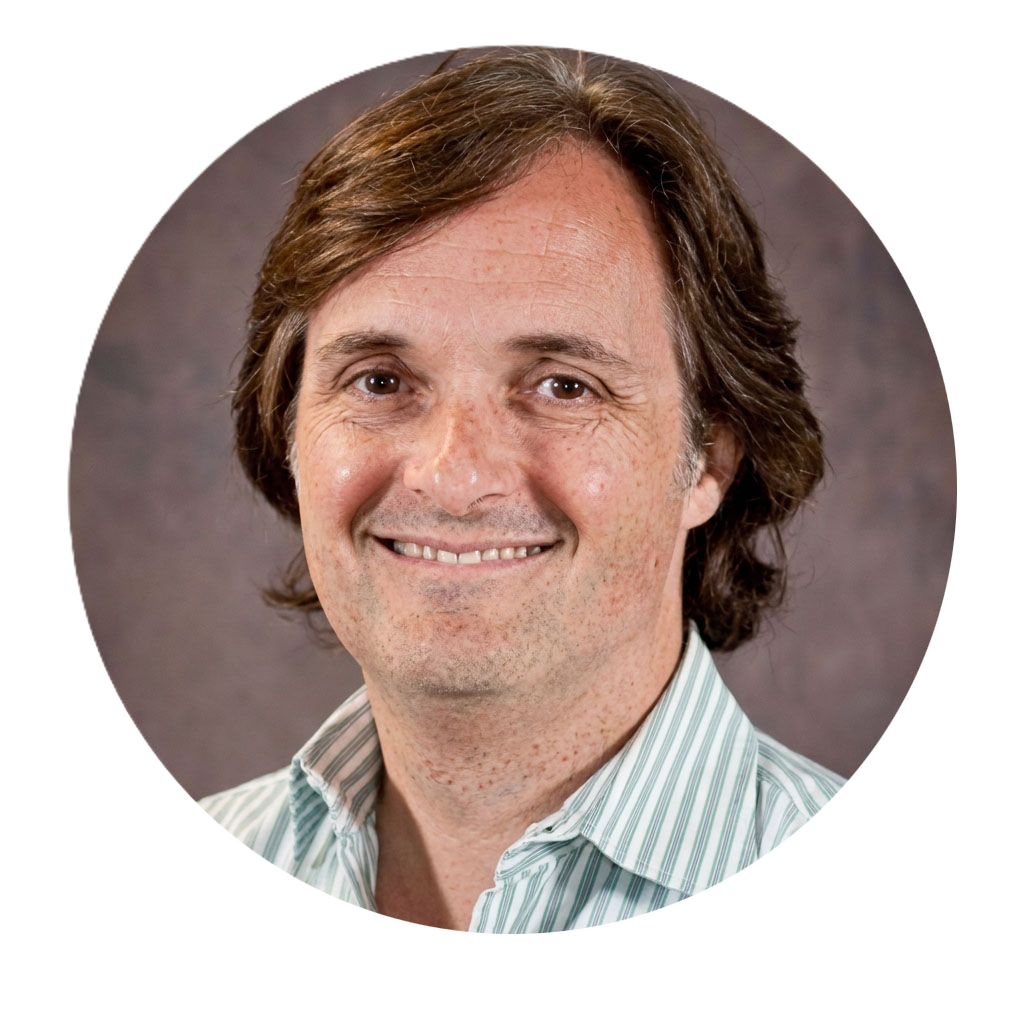
7 December 2026 Endocrinology
Dr. Nigel Clarke
Managing partner
Trusted Health Advisors (THA)
United States
Presentation title Unlocking the Full Potential of Nexera™ QX Through End-to-End Workflow Automation
View full speaker details
Biography
Nigel J. Clarke, Ph.D. is a recognized leader in clinical diagnostics, bioanalytical mass spectrometry, and laboratory automation with more than 25 years of experience developing and implementing innovative analytical technologies. He currently serves as Managing Partner at Trusted Health Advisors (THA), providing strategic guidance to organizations advancing healthcare and diagnostic technologies. Previously, he served as Chief Scientific Officer and Vice President of Research & Development for Clinical and Technology Solutions at Quest Diagnostics, where he led the development and deployment of advanced diagnostic assays and laboratory technologies across the organization's global laboratory network.
Dr. Clarke earned his Ph.D. in Mass Spectrometry and Analytical Chemistry from the University of Kent and completed postdoctoral fellowship training in Biomedical Mass Spectrometry at the Mayo Clinic. Throughout his career, he has held scientific leadership positions at Schering-Plough Research Institute, ActivX Biosciences, and Quest Diagnostics, where his work focused on the development of LC-MS/MS assays, biomarkers, laboratory automation strategies, and high-throughput analytical workflows.
An internationally recognized expert in clinical mass spectrometry, Dr. Clarke has played a significant role in advancing the adoption of LC-MS/MS technologies within routine laboratory operations. His expertise spans bioanalytical mass spectrometry, biomarker development, laboratory automation, protein chemistry, and translational diagnostics, with a proven track record of bringing innovative technologies from research into high-volume laboratory environments.
Abstract
The Nexera™ QX Multiplex LC-MS/MS System increases sample throughput by enabling two or four UHPLC streams to share a single mass spectrometer. This presentation explores how automated liquid handling and Shimadzu PL-40 robotic plate transfer address sample preparation and handling bottlenecks to support a continuous analytical workflow. Integrating these technologies reduces manual intervention, maximizes instrument utilization and increases daily reportable results, while maintaining analytical performance and data quality. The session highlights a scalable approach to improving laboratory productivity and operational efficiency.
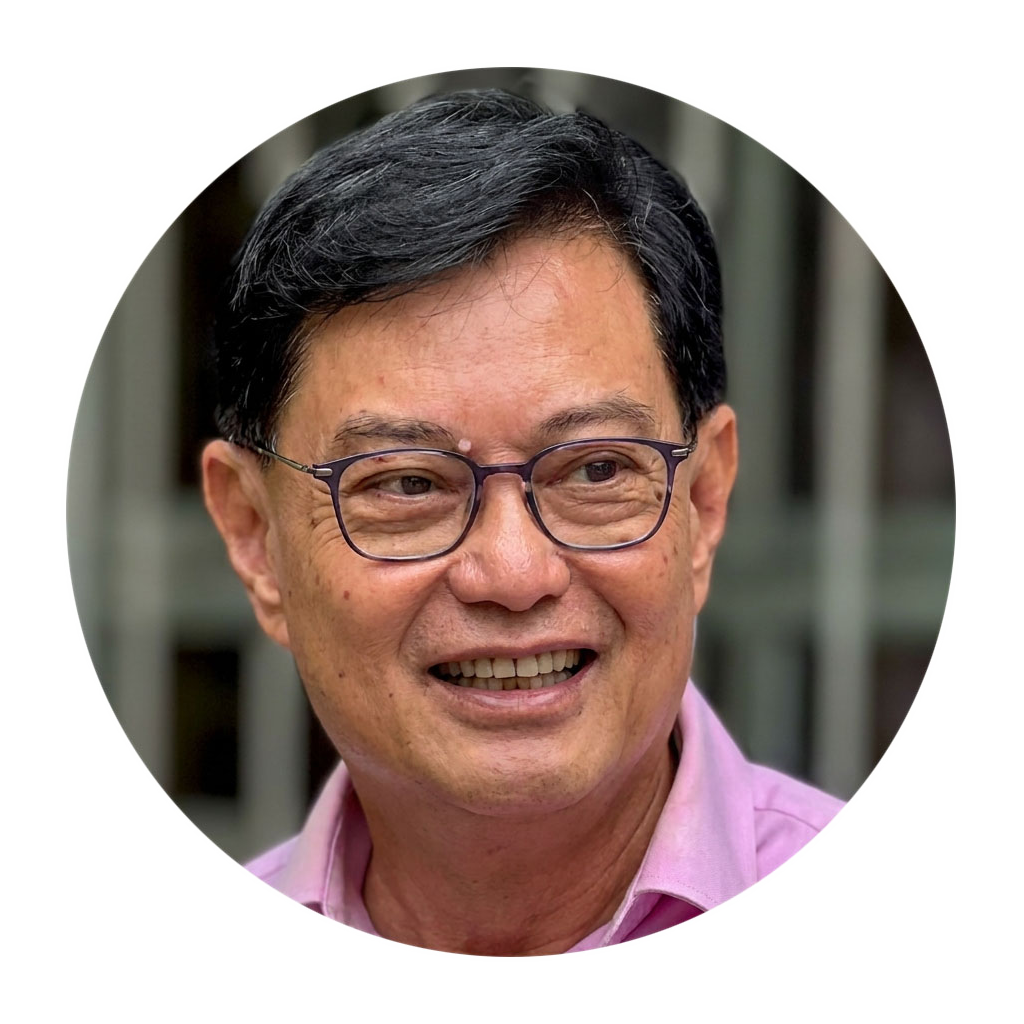
7 December 2026 Endocrinology
Dr. Daryl Hee
Senior Assistant Director and Clinical Scientist
Changi General Hospital, Singapore
Singapore
Presentation title From Method to Medicine: Translating LC-MS/MS LDTs into Routine Clinical Service
View full speaker details
Biography
Dr Daryl Hee is a Senior Assistant Director and Clinical Scientist at Changi General Hospital (CGH), Singapore, where he heads the Shimadzu-CGH Clinomics Centre (SC3). He is also a Clinical Assistant Professor at Duke-NUS Medical School. He obtained his PhD in Analytical Chemistry from the National University of Singapore and has more than 15 years of experience in clinical and bioanalytical mass spectrometry.
His work focuses on translating LC-MS/MS technologies from research and method development into clinically deployable laboratory-developed tests (LDTs). Prior to joining CGH, he established and led LC-MS/MS capabilities for pharmacokinetic and clinical research at the National University of Singapore Medicine Department.
Established as a public-private partnership between CGH and Shimadzu Asia Pacific, SC3 is a Ministry of Health-licensed and CAP-accredited clinical laboratory. Dr Hee leads the development, validation and implementation of mass spectrometry-based clinical services, including aldosterone and renin testing for primary aldosteronism. His current work focuses on expanding clinical mass spectrometry into medication adherence testing and therapeutic drug monitoring, while building sustainable clinical MS capabilities and regional collaborations.
Abstract
Successfully implementing LC-MS/MS in clinical laboratories goes beyond analytical method development; it requires comprehensive validation, workflow design, and regulatory compliance to translate laboratory-developed tests (LDTs) into routine service. This presentation shares the real-world journey of establishing a clinical LC-MS/MS service at the Shimadzu-CGH Clinomics Centre (SC3) in Singapore, using aldosterone and renin testing for primary aldosteronism as a case study. It highlights practical challenges in workflow integration, quality management, and clinician engagement to balance analytical capability with turnaround time and cost. The session also previews the next phase of service expansion, including urine antihypertensive medication adherence testing and therapeutic drug monitoring, offering actionable insights for building sustainable, routine clinical mass spectrometry services.
7 December 2026 Newborn Screening
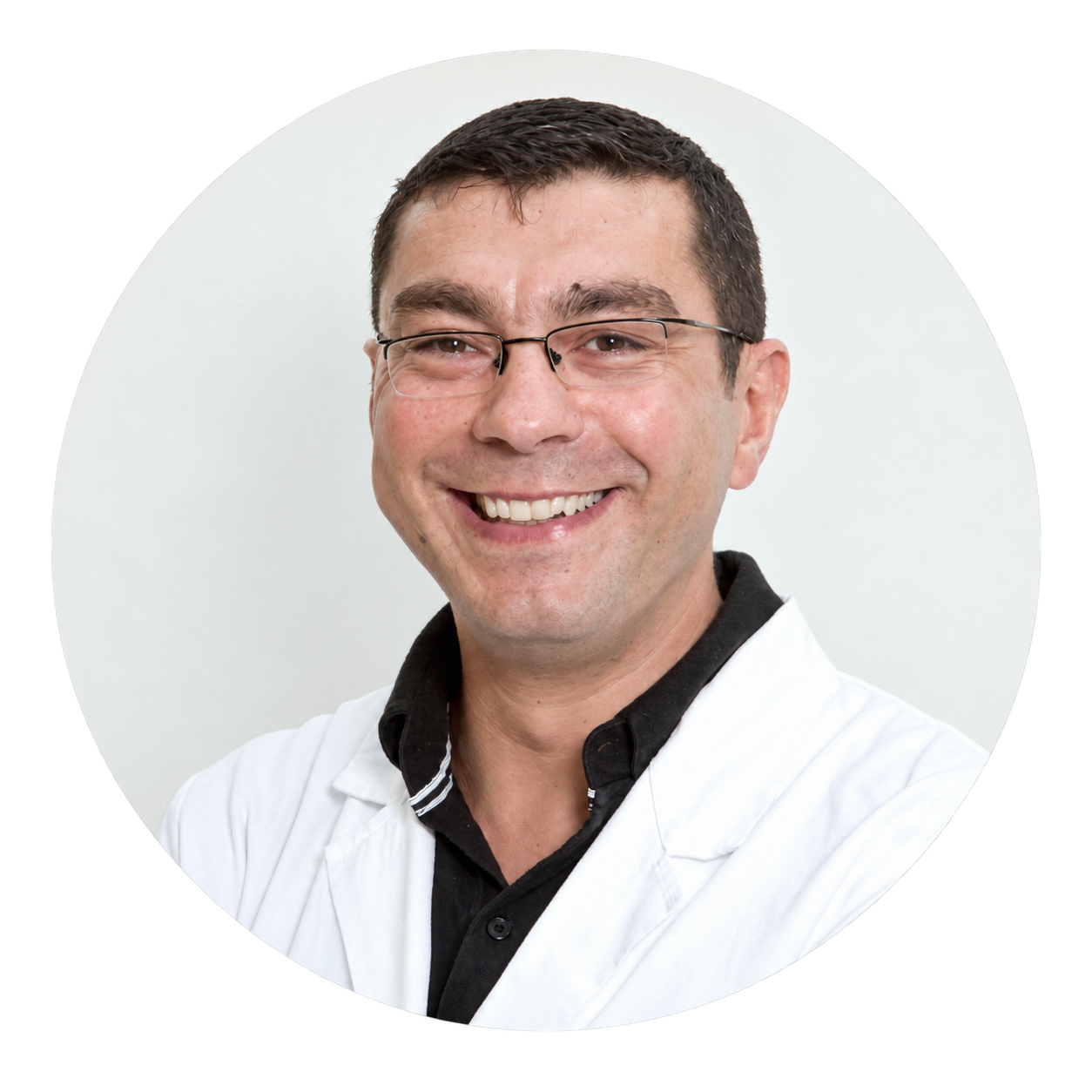
Prof. Giancarlo La Marca
Director of Newborn Screening
University of Florence and Meyer Children’s Hospital IRCCS
Italy
Presentation title Newborn Screening for lysosomal Storage Disorders: the combination of 1st and 2nd tier test
View full speaker details
Biography
Prof. Giancarlo La Marca is Full Professor of Clinical Biochemistry and Clinical Molecular Biology at the University of Florence, President of the Mass Spectrometry Centre, and Director of Newborn Screening at Meyer Children’s Hospital IRCCS. An internationally recognized leader in newborn screening and clinical mass spectrometry, he has authored more than 220 peer-reviewed publications and holds four patents.
Abstract
Tandem mass spectrometry (MS/MS) has revolutionized newborn screening (NBS) by enabling the rapid, sensitive, and specific measurement of metabolites, crucial for the early identification of treatable metabolic conditions like Lysosomal Storage Disorders (LSDs). This presentation reviews a comprehensive 10-year study in Tuscany, Italy, screening over 234,000 newborns for Fabry disease, Pompe disease, and mucopolysaccharidosis type I (MPS I) using tandem mass spectrometry and digital microfluidics. While demonstrating the profound effectiveness of NBS for LSDs and early intervention, the findings also highlight significant diagnostic challenges—such as a high burden of pseudodeficiencies and variants of uncertain significance (VUS). These complexities underscore the critical need for robust second-tier testing strategies to improve predictive value, particularly in ethnically diverse populations.
Tuesday, 8 December 2026
8 December 2026 Therapeutic Drug Monitoring
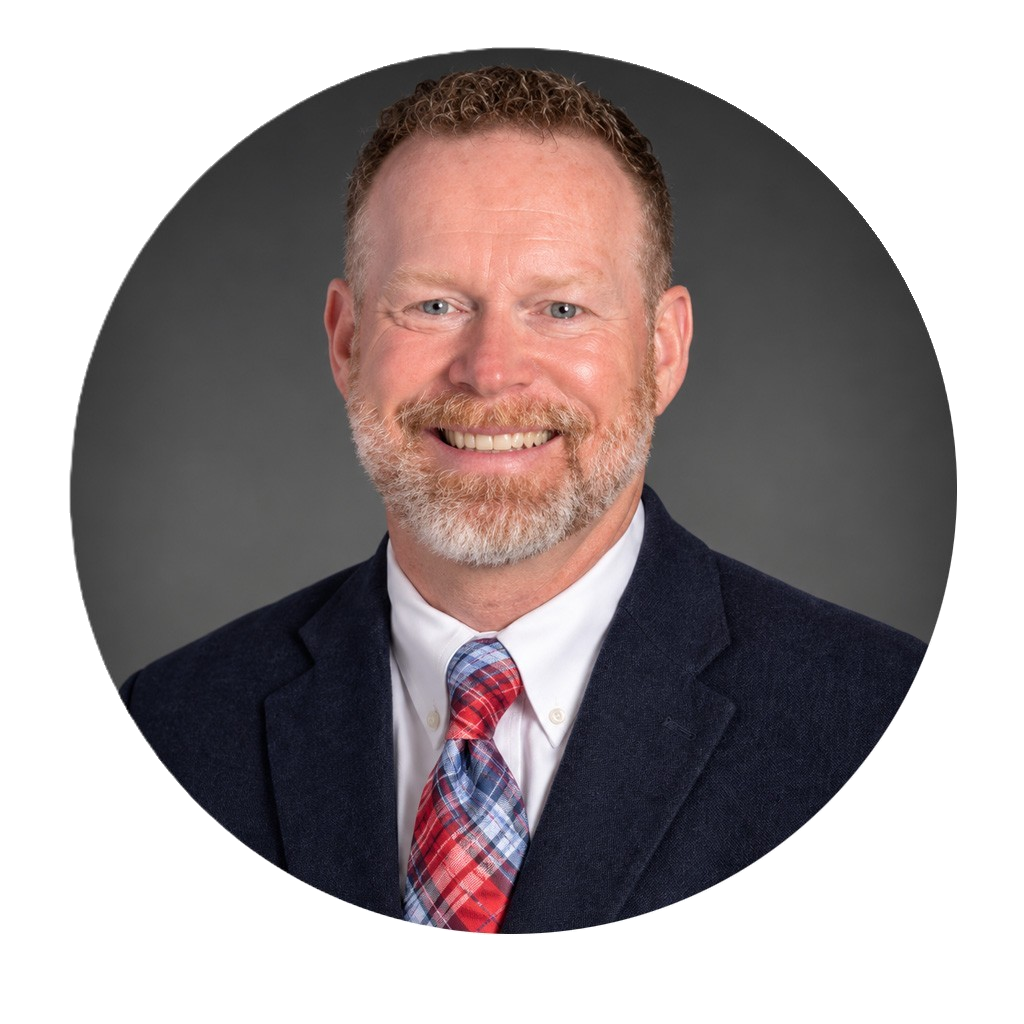
Prof. William Clarke
Professor of Pathology, Director of Clinical Chemistry, Vice Chair for Quality and Regulatory Affairs
Johns Hopkins School of Medicine
United States
Presentation title Automation of Therapeutic Drug Monitoring on the Open Architecture CLAM-2040 Platform
View full speaker details
Biography
Dr. William Clarke is a Professor of Pathology at the Johns Hopkins University School of Medicine, and is the Vice Chair of Pathology for Quality and Regulatory Affairs. His research focuses on the development of analytical methods for drug analysis, clinical mass spectrometry, and point-of-care testing devices. He also serves as Director of Clinical Chemistry at The Johns Hopkins Hospital.
Dr. Clarke earned his B.S. in Chemistry from the University of Nebraska at Kearney and his Ph.D. in Analytical Chemistry from the University of Nebraska-Lincoln. He also earned an M.B.A. from the Carey School of Business at Johns Hopkins University. He completed a postdoctoral fellowship in Clinical Chemistry at the Johns Hopkins School of Medicine and subsequently joined the Pathology faculty.
Dr. Clarke has authored or co-authored more than 200 peer-reviewed manuscripts and book chapters. He is Co-Editor of the textbook Contemporary Practice in Clinical Chemistry and Editor-in-Chief of Clinica Chimica Acta.
Abstract
This presentation outlines the key challenges of integrating mass spectrometry into hospital environments, emphasizing the necessity of both automation and flexibility when developing laboratory-developed tests (LDTs). Dr. Clarke will introduce CLAM technology as a solution to these operational hurdles, sharing direct experiences and practical insights from his own laboratory's implementation. Additionally, the session will showcase clinical validation data for commercial kits targeting tricyclic antidepressants and mycophenolic acid.
8 December 2026 Endocrinology
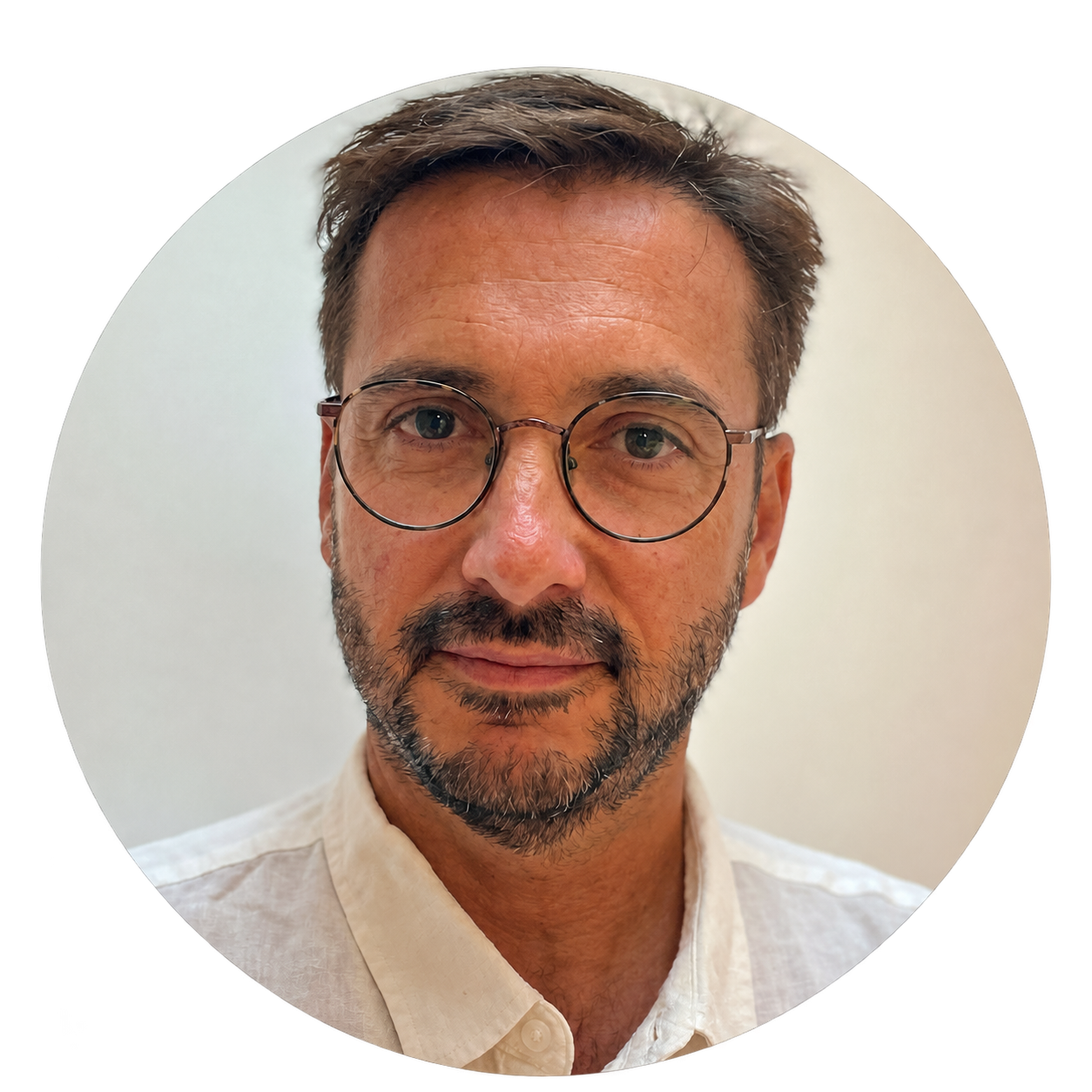
Mr. Tony Pereira
Technical Manager, Mass Spectrometry Platform
Department of General Biochemistry
Rouen University Hospital
France
Presentation title Automated LC-MS/MS Bioanalysis Platform: From Method Implementation to Long-Term Clinical Perspectives
View full speaker details
Biography
Tony PEREIRA is a Hospital Engineer and Technical Manager of the Clinical Mass Spectrometry Core Facility at the Institute of Clinical Biology of the CHU de Rouen (Rouen University Hospital). With 28 years of experience, his work focuses on the development and validation of chromatographic methods coupled with mass spectrometry applied to laboratory medicine. His activity is deeply rooted in four key areas: metabolic biochemistry, endocrinology, analytical pharmacology (Therapeutic Drug Monitoring), and clinical toxicology. Operating at the interface of technological innovation and routine medical care, he leads the implementation of high-performance protocols (LC-MS/MS) that meet the strict requirements of hospital biology. His recent work centers on technological transfer toward high-throughput workflows and the standardization of biomarker and xenobiotic assays, with the ultimate goal of optimizing patient biological management.
Abstract
While LC-MS/MS is the gold standard for clinical bioanalysis, technical complexity and manual sample pretreatment often hinder its routine adoption. This presentation details the successful 2018 implementation of a fully automated platform (CLAM-2030 preparatory module coupled with a Nexera UHPLC and LCMS-8060) at Rouen University Hospital for the quantification of five serum steroids. Validated by EMA guidelines and operating reliably for over seven years, this integrated system has significantly reduced hands-on time, minimized transcription errors, and improved occupational safety by limiting solvent exposure. Building on this long-term success, the platform's applications are now expanding to alternative matrices like urine and saliva for cortisol and cortisone testing, representing a major milestone toward total laboratory automation in routine medical biology.
8 December 2026 Toxicology
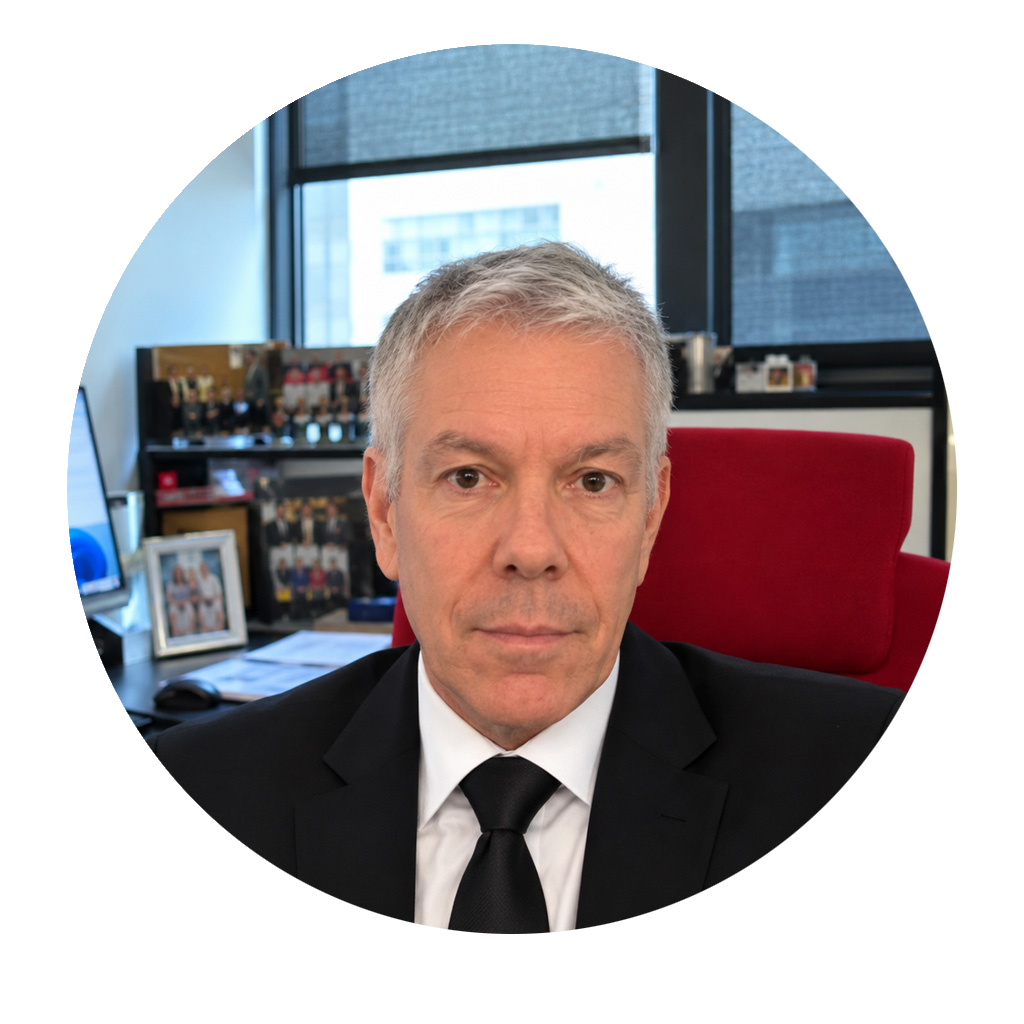
Prof. Franck Saint-Marcoux
Head of the Clinical Laboratory
Department of Pharmacology and Toxicology
Limoges University Hospital
France
Presentation title Supercritical Fluid Chromatography Coupled to High-Resolution Mass Spectrometry: Applications in Forensic Toxicology
View full speaker details
Biography
Professor Franck Saint-Marcoux is Head of the Clinical Laboratory at Limoges University Hospital, France, where he also leads the Forensic Toxicology Unit. He is Professor of Toxicology at the University of Limoges and has broad expertise in forensic, clinical, and environmental toxicology. His research focuses on the development and implementation of advanced analytical strategies for the identification and quantification of drugs and toxic substances in biological matrices, with particular expertise in mass spectrometry and emerging chromatographic technologies.
Abstract
Supercritical fluid chromatography (SFC) is emerging as a powerful, eco-friendly alternative to conventional liquid chromatography in forensic toxicology, offering fast separations for a wide range of analytes while significantly reducing organic solvent consumption and hazardous waste. This presentation explores the fundamental principles of SFC and its coupling with high-resolution mass spectrometry, detailing key developmental parameters such as stationary-phase chemistry, pressure control, and biological matrix challenges. The practical potential of this technology will be demonstrated through a novel SFC-QTOF method applied to detect drugs of abuse in authentic driving-under-the-influence oral fluid cases. Attendees will gain a comprehensive understanding of SFC-MS integration, its operational advantages, environmental impact, and current constraints for routine forensic applications.
8 December 2026 Category: Coming soon
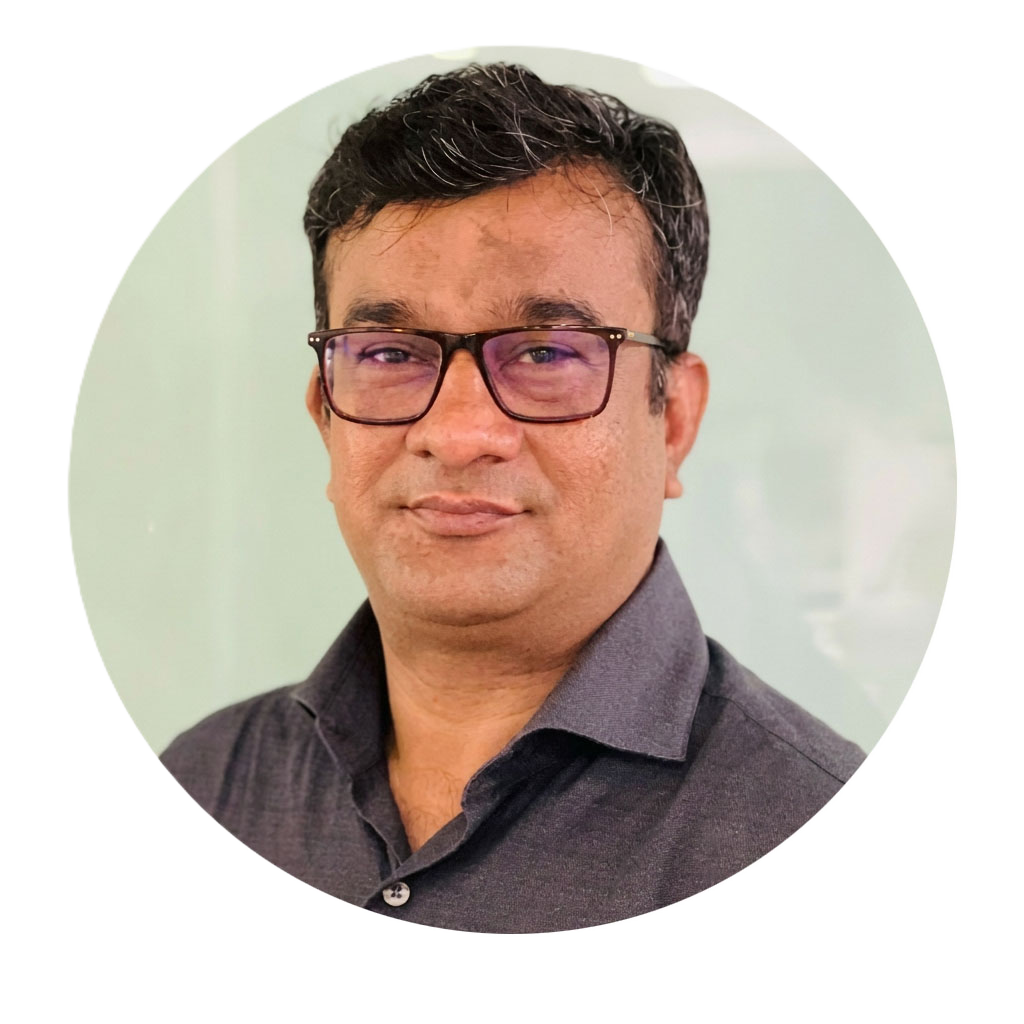
Dr. Ramesh Kinha
Chief Operating Officer (COO)
Thyrocare Technologies
India
Presentation title Precision at Scale: LC-MS/MS as the Engine of High-Throughput Preventive Diagnostics Subtitle: How a mass-spec workflow delivers scientific accuracy, commercial value and a market differentiator in preventive health profiles
View full speaker details
Biography
Dr. Ramesh Kinha is Chief Operating Officer of Thyrocare Technologies Limited, overseeing laboratory operations and quality standards across its diagnostics network. He has more than 17 years of experience in the diagnostics sector, with previous leadership roles at Vijaya Diagnostic Centre, Apollo Health Lifestyle and Metropolis Healthcare. He holds an MBBS and an MD in Pathology, has completed management and leadership programmes at IIM Nagpur and the Indian School of Business, and is a NABL-certified assessor. His work focuses on high-throughput laboratory networks combining analytical quality, operational efficiency and affordable access to diagnostics.
Abstract
High-volume preventive diagnostics requires accurate results and affordable testing. This presentation explores the scientific, operational and commercial value of LC-MS/MS, including improved specificity, multiplexing and traceability to reference methods for analytes such as vitamin D and steroid hormones. It examines how automated sample preparation, scheduling, middleware and LIS integration support high-throughput workflows with controlled turnaround times. Drawing on experience across a national laboratory network, the session discusses cost per test, reduced reagent dependence, test menu expansion and lessons from scaling clinical mass spectrometry.
Preliminary Schedule
 Monday, 7 December 2026
10:30 am Opening of the Shimadzu Global Clinical Summit
11:00 am Starting of scientific presentations
17:30 pm End of Meeting
19:00 pm Gala dinner- Tuesday, 8 December 2026
09:00 am Scientific programme continues
15:00 pm Closing remarks by Yoshiaki Hirao, President of Shimadzu Europe
15:30 pm Sightseeing and networking programme in Rome
A Global Exchange in Rome
The Summit will provide an opportunity for invited participants to share their expertise and perspectives, fostering meaningful discussions, knowledge exchange and collaboration within the global clinical community.


 Rome, Italy
