Polyarc Shimadzu

Simplify Your Compound Quantification with Polyarc

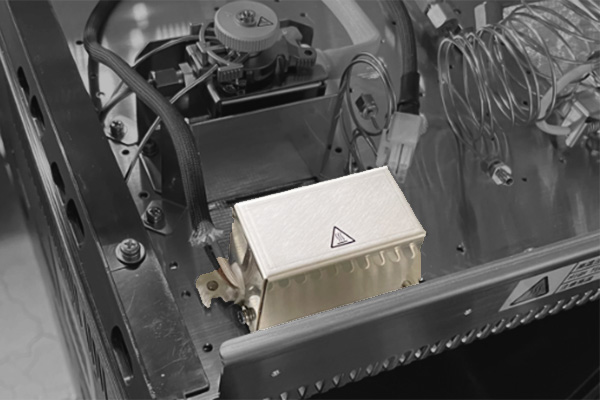
The Polyarc system has a catalytic microreactor that enhances new and existing gas chromatographs (GCs) with flame ionization detectors (FIDs) by converting all organic compounds to methane molecules prior to their detection by the FID. In doing so, the Polyarc system reduces the need to perform time-consuming calibrations by creating a uniform detector response, enabling truly universal carbon detection.
 

The Benefits of Polyarc

How it works


  • The Polyarc is always located between the column and the Flame Ionization Detector (FID).
  • It is a two step microreactor with an initial combustion reaction followed by a reduction step, resulting in complete conversion of all organic molecules to methane.
  • The following FID measures merely methane and the resulting area is proportional to the methane equivalent of the respective molecule.


Features

Easy Quantification with Polyarc

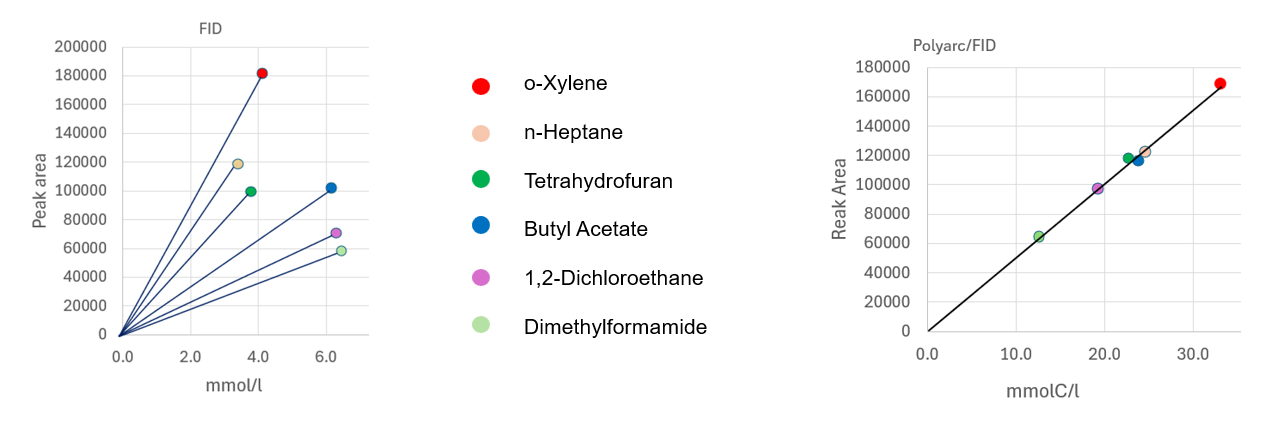
Traditional FID analysis requires a separate calibration for each compound. With Polyarc, one calibration curve can be used for all compounds—making quantification faster, simpler, and more efficient.
Polyarc

  • The relationship between concentration and FID peak area differs from compound to compound. The slopes of the calibration curves, and therefore the detector response, are unique to each component.
  • By combining the FID with a Polyarc microreactor, all components produce the same response. As a result, only one calibration curve is required for the quantification of unknown samples.


One Universal Response with Polyarc

Polyarc


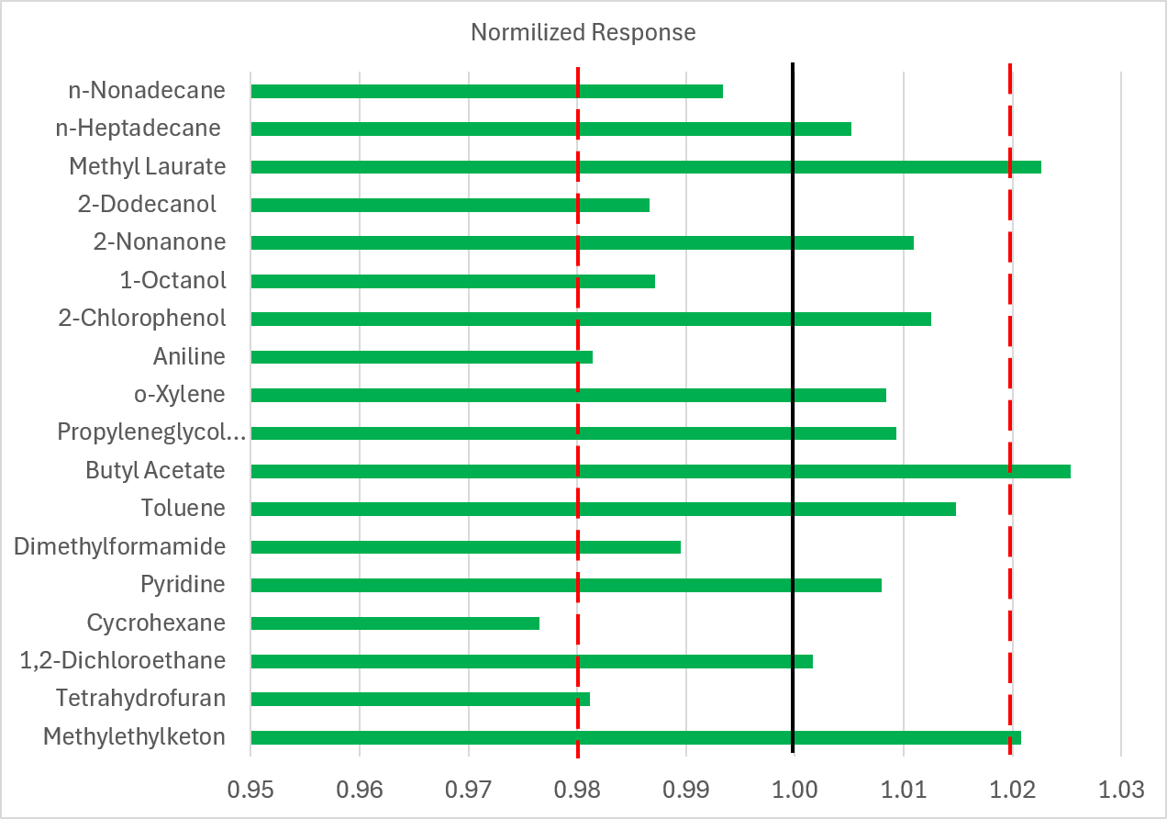
With Polyarc, only the methane response factor is required for system calibration, and methane itself does not need to be injected. Instead, any suitable compound can be used..

Using certified standard mixtures, the methane response factor was determined with the Polyarc–FID system. Individual results were normalized to the overall average, showing excellent consistency. Most values fall within ±2% of the ideal result of 1.0. . 


Request a quote today — talk to our team!


Application Highlights


More Solutions for Your Analysis


FAQ

What is the Polyarc system?
The Polyarc system is an add-on for GC/FID analysis that converts organic compounds into methane using a two-step combustion–reduction process. By generating a uniform carbon response in the FID, it enables more accurate quantification, improved sensitivity for certain compounds, calibration independent of compound type, and a simpler analytical workflow.
Do I need a Flame Ionization Detector (FID)?

Yes. The Polyarc is installed after the GC column and before the detector, so an FID is required for analyte detection.

A common alternative setup combines the Polyarc with a post-column splitter for simultaneous MS and Polyarc/FID detection, allowing identification and quantification from a single injection. 

Is additional software required for the Polyarc?
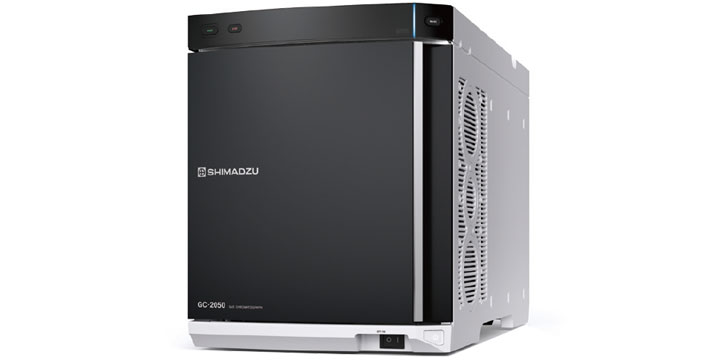
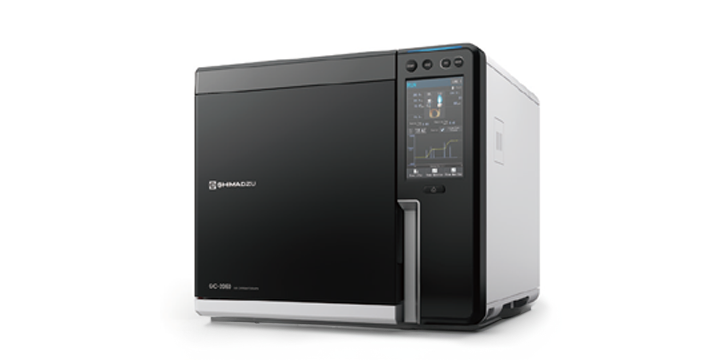
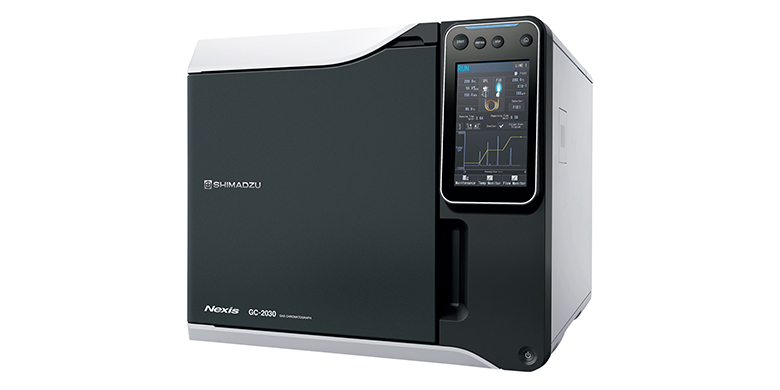
No. The Polyarc system does not require any additional software and integrates seamlessly into your GC/FID setup. Standard chromatography data system (CDS) software used with Shimadzu GCs can control the Polyarc temperature and gas flow settings. The measured data are generated as a standard FID chromatogram, which can be processed with any CDS.
What carrier gases work with the Polyarc?
The Polyarc is validated for use with helium, hydrogen, argon, and nitrogen as carrier gases, so your existing methods typically require only minimal adjustment. When using hydrogen as the carrier gas, specific operating parameters must be applied to ensure that the two-step reaction proceeds to completion.
How is the Polyarc Microreactor operated in a GC?
The Polyarc requires one GC heater control channel and is typically operated at a temperature of 450°C.
It also requires a GC-controlled supply of synthetic air (zero-air quality, containing less than 1 ppm CO₂ and hydrocarbons) and hydrogen. When helium is used as the carrier gas, the standard flow settings are 35 ml/min for hydrogen and 2.5 ml/min for air.
When hydrogen is used as the carrier gas, the operating parameters must be adjusted according to the column flow rate.


Will the Polyarc convert my compounds to methane?
The Polyarc system is carefully engineered to convert virtually any carbon-containing compound to methane with a conversion efficiency of more than 99.9%. Its performance has been demonstrated across a broad range of compounds with different sizes and functional groups, including hydrocarbons, aromatics, oxygenates, derivatives, and nitrogen-containing compounds.
Are there any components that affect the lifetime of the catalyst?
Sulfur is currently the only type of compound known to poison the catalyst. High sulfur loads (greater than 1,000 ppm by mass per injection) can shorten catalyst lifetime. 


Are there any compounds that the Polyarc cannot convert to methane? 
Yes. The Polyarc is unable to convert CF₄ and C₂F₆ to methane. In these compounds, the carbon–fluorine bonds are so thermodynamically stable that the initial combustion step cannot proceed to completion.
Does the Polyarc work when operating the GC oven below room temperature? 
The Polyarc is not recommended for operation with cryogenic oven cooling. Because a small amount of water is generated during the two-step reaction, it can freeze in the Polyarc outlet transfer line at very low oven temperatures. For this reason, the minimum oven temperature is 30°C.


Will the Polyarc increase my FID response?
The Polyarc can increase the FID response for compounds that traditionally show a low FID response. These compounds typically contain heteroatoms such as O, N, Cl, or F. Examples include CO, CO₂, formic acid, formaldehyde, and formamide, for which the response can be significantly improved.
What is the ongoing maintenance for the Polyarc system?
The Polyarc system requires little to no routine maintenance. The reactor is designed for long-term operation with minimal catalyst deactivation. In most cases, the only maintenance required over time is reactor replacement when necessary.


{"title":"Downloads","description":"Download the latest brochure.","source":"product","key":5095,"max":30,"filter_types":["brochures"],"link_title":"View other Downloads","link_url":"","pdf_links":[]} {"title":"Applications","source":"product","key":5095,"max":3,"filter_types":["applications","application_note","posters"],"link_title":"Learn more","link_url":false,"config_list":[],"page_links":[],"column_title":"Documents"} {"title":"Technical Documents","source":"product","key":5095,"max":3,"filter_types":["technical","technical_reports","white_papers","primers"],"link_title":"Learn more","link_url":"#table_anchor_technical","config_list":[],"page_links":[],"column_title":"Documents"} {"title":"Manuals","source":"product","key":5095,"max":3,"filter_types":["manuals"],"link_title":"Learn more","link_url":"#table_anchor_manual","config_list":[],"page_links":[],"column_title":"Documents"}